Most people confuse calculated career risks with reckless gambling. They’re completely different things. One builds long-term success while the other destroys it. Understanding the difference separates professionals who advance from those who crash and burn. Smart career moves require analysis, preparation, and backup plans. Stupid career moves involve hope, desperation, and crossed fingers. The distinction matters more than most people realize.
What Makes a Risk Calculated
Calculated risks involve actual analysis of potential outcomes. Someone considering a job change researches the company, industry trends, and their own skill gaps. They talk to current employees and examine financial statements. They understand what success requires and assess their ability to deliver. This groundwork transforms uncertainty into manageable probability.
Gambling skips all that work. Someone takes a position because it pays more or sounds exciting. They don’t research the company culture or leadership stability. They ignore red flags because they want the title or salary. This approach treats career decisions like slot machines. Pull the lever and hope for the best. It fails consistently over time.
The Information Advantage
Professional poker players win because they gather information constantly. They track opponents’ betting patterns and emotional tells. They calculate pot odds and expected value before every decision. This information edge makes risk manageable and profitable. The same principle applies to career development.
Career winners gather intelligence before making moves. They network to understand company reputations. They research salary ranges and promotion timelines. They identify skill gaps and fill them before applying. Information transforms risky decisions into strategic advantages. Those who skip research gamble blindly with their professional futures.
Timing Separates Winners from Losers
Good poker players fold strong hands when the situation demands it. They wait for spots where odds favor them heavily. Patience isn’t weakness, it’s strategic discipline. The same timing principle determines career success or failure.
Jumping at the first opportunity that appears usually ends badly. The best career moves come from patient preparation and market awareness. Someone who builds skills while employed can negotiate from strength. Someone desperate for any change accepts terrible terms. Timing the move when leverage is highest makes all the difference. Desperation eliminates negotiating power completely.
The Diversification Strategy
Smart investors don’t put everything into one stock. They diversify across assets to manage risk. This same principle applies to career development but most people ignore it completely.
Building multiple income streams creates career resilience. Freelance work, consulting, or side projects provide backup options. Developing skills across different domains increases market value. Networking in multiple industries opens unexpected opportunities. This diversification transforms career setbacks into minor adjustments instead of catastrophes. Betting everything on one employer or industry is reckless gambling disguised as loyalty.
Red Flags Most People Ignore
Experienced poker players recognize when they’re outmatched and leave the table. They don’t stay hoping luck will change. Career decisions require the same honest assessment of warning signs.
High employee turnover at a company screams cultural problems. Leaders who trash former employees will trash you too. Vague job descriptions hide disorganization or unrealistic expectations. Pressure to decide immediately suggests desperation or manipulation. These red flags appear constantly but people ignore them because they want the opportunity to work out. Calculated risk-takers walk away from bad situations early. Gamblers stay and hope things improve magically.
Key Differences Between Risk-Takers and Gamblers
Smart career risk management looks nothing like reckless gambling. Here’s how to tell the difference:
- Research company financials vs accepting any offer
- Build emergency fund vs living paycheck to paycheck
- Develop marketable skills vs hoping current job lasts forever
- Network before needing help vs scrambling during crisis
- Negotiate from strength vs accepting first offer desperately
- Plan exit strategy vs burning bridges emotionally
- Test ideas with side projects vs betting everything immediately
- Seek mentor advice vs making isolated decisions
Each of these distinctions separates calculated career moves from professional suicide. The pattern is clear. Preparation, information, and backup plans define smart risk-taking. Hope, desperation, and crossed fingers define gambling.
The Importance of Position
Poker players in late position see how others act before deciding. This information advantage is massive. Early position players act blind and usually lose money. Career decisions benefit from the same positional awareness.
Negotiating a new job while currently employed provides huge leverage. The company knows you don’t need them desperately. Negotiating while unemployed eliminates that advantage completely. Building skills and reputation before needing a new role creates strong position. Scrambling to learn basics during interviews shows weakness. Position determines negotiating power more than most professionals realize.
Managing Emotional Decision-Making
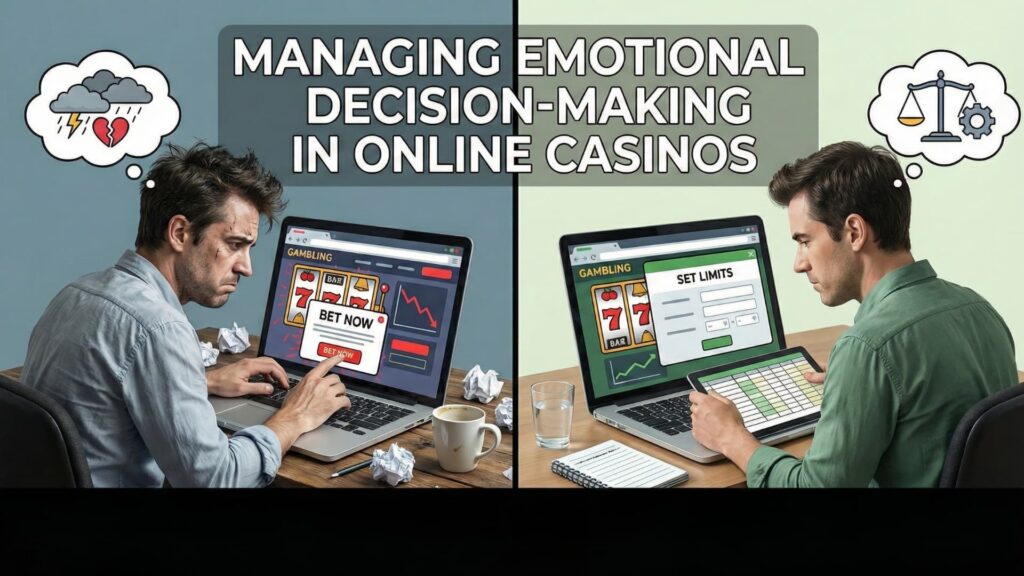
Tilt destroys poker players faster than bad cards. Emotional decisions after losses compound mistakes rapidly. Career decisions made from fear or desperation follow identical patterns.
Taking a terrible job because unemployment feels scary is emotional gambling. Staying in a toxic environment because change seems risky is fear-based paralysis. Both choices ignore rational analysis in favor of emotional comfort. Calculated risk-takers acknowledge emotions but don’t let them drive decisions. They analyze situations objectively even when stressed or scared. This separation of feeling from thinking determines long-term outcomes.
When to Double Down
Occasionally poker situations justify aggressive action. The odds favor pushing chips to the center. Career opportunities sometimes demand similar boldness when conditions align perfectly.
A chance to work with industry leaders justifies significant risk. An opportunity to build something transformative warrants going all-in. Market timing where your skills match emerging needs creates rare windows. These situations don’t appear often but recognizing them matters hugely. The difference between calculated aggression and reckless gambling comes down to preparation meeting opportunity. Lucky breaks happen to people who’ve done the groundwork.
Exit Strategy Planning
Professional gamblers always know when they’ll leave the table. They set win and loss limits before playing. Career planning demands the same disciplined exit thinking.
Every job should have defined success metrics and timelines. Someone takes a position to gain specific skills or connections. Once achieved, they evaluate next moves objectively. Staying because change feels hard wastes time and opportunity. Leaving before delivering value damages reputation. The exit strategy should exist from day one, not as an afterthought during frustration.
The Role of Luck vs Skill
Poker involves luck in individual hands but skill determines long-term results. Career success follows identical patterns. Short-term outcomes involve randomness but sustained success requires genuine capability.
Getting hired into a great role involves luck and timing. Performing well enough to advance requires skill and effort. Someone who relies on lucky breaks eventually runs out of luck. Someone who builds real capabilities creates their own opportunities consistently. The professionals who last longest understand this balance. They work to maximize skill while positioning themselves where luck can help.
Risk Management as Career Insurance
Insurance protects against catastrophic losses while accepting small costs. Career risk management follows the same principle. Building backup plans costs time and effort but prevents disaster.
Maintaining skills across multiple domains provides insurance against industry decline. Keeping professional networks active creates backup opportunities. Saving emergency funds prevents desperate decisions during transition. These investments seem unnecessary until crisis hits. Then they become the difference between managed transition and catastrophic failure. Reckless gamblers skip insurance until they need it desperately.
The Final Truth About Career Gambling
Most career disasters come from treating professional decisions like lottery tickets. People hope things work out without doing the analysis. They take jobs for wrong reasons and stay too long in bad situations. This approach occasionally works through pure luck but fails consistently over careers.
Calculated risk-taking requires work. Research takes time. Building skills demands effort. Creating backup plans feels tedious. But this preparation transforms uncertainty into manageable probability. It turns career development into a skill-based game instead of pure gambling. The professionals who understand this difference build sustainable success. Those who don’t get lucky occasionally but crash eventually. The choice between calculated risk and reckless gambling determines whether someone builds a career or just survives a series of jobs.